Label 309 in plain language
Read it like a short guide, in order — what goes on the blockchain, how sealed files stay private, and why it holds up over time. No cryptography background needed.
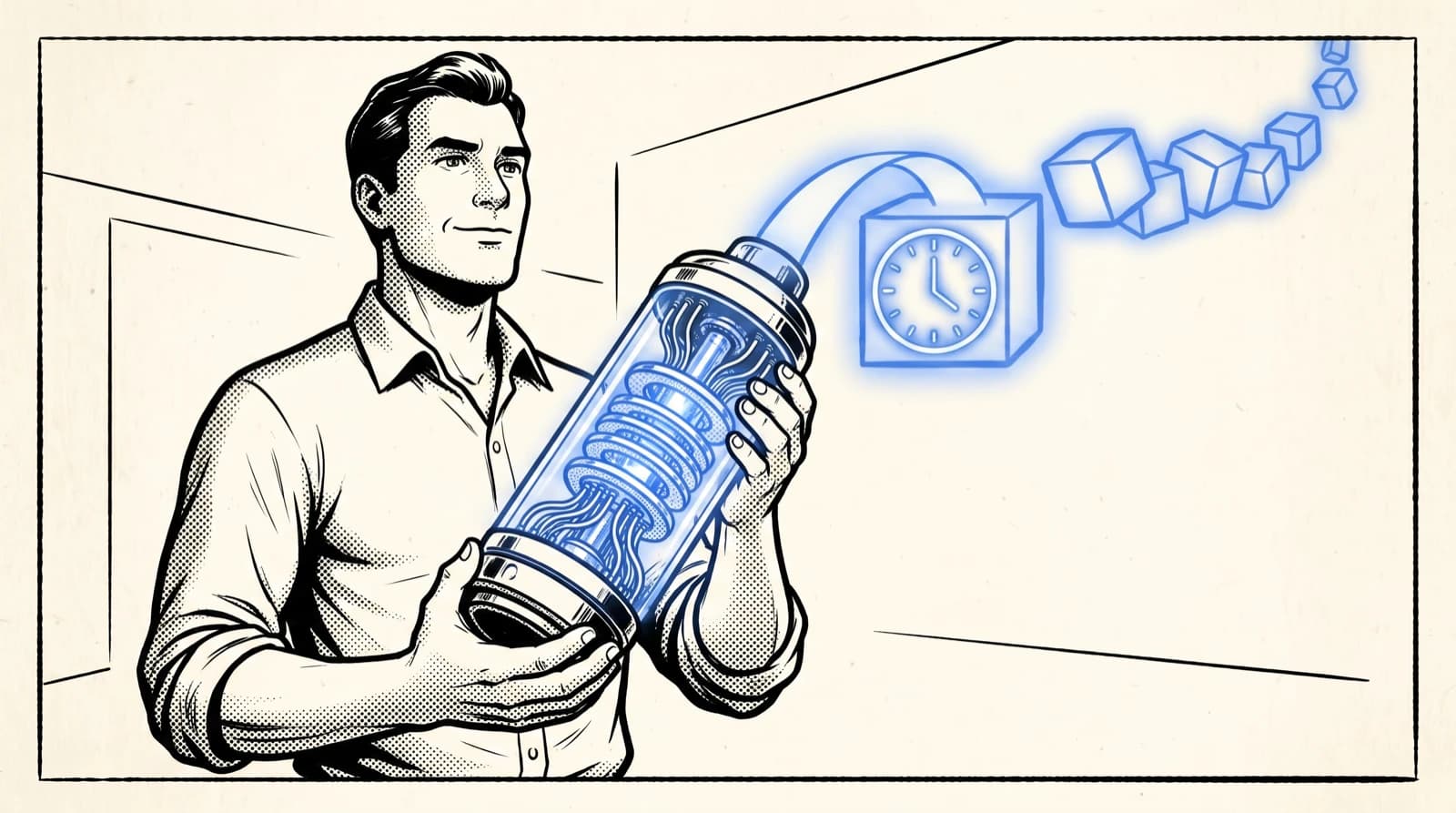 01
01What "proof of existence" really means
How Label 309 turns a tiny fingerprint of your content into a permanent, on-chain proof that it existed by a certain time — checkable by anyone, with no server to trust.
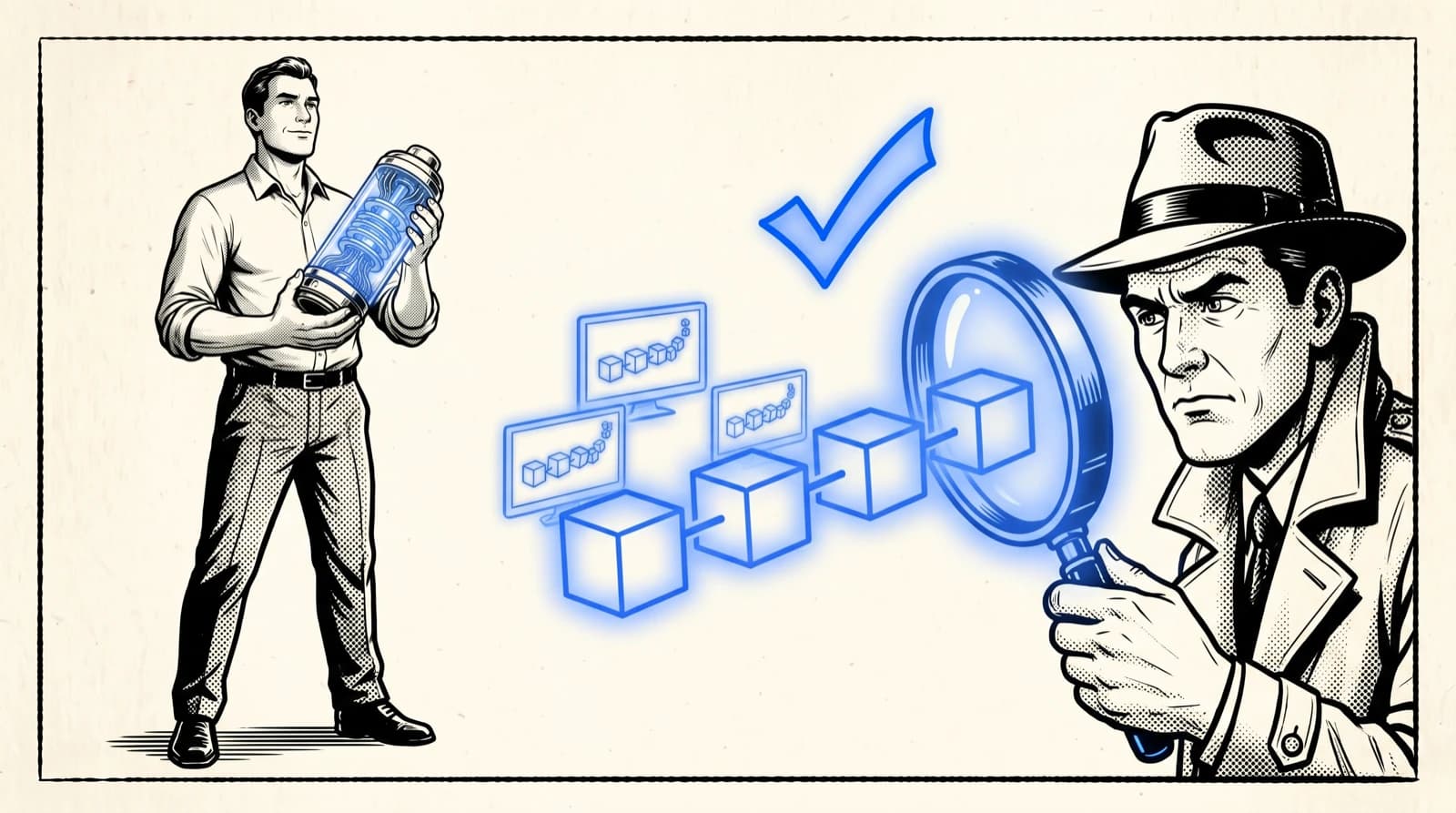 02
02Why no one has to be trusted
A Label 309 proof is something you check for yourself on the public Cardano chain — never something you take on faith from a website, a company, or whoever published the record.
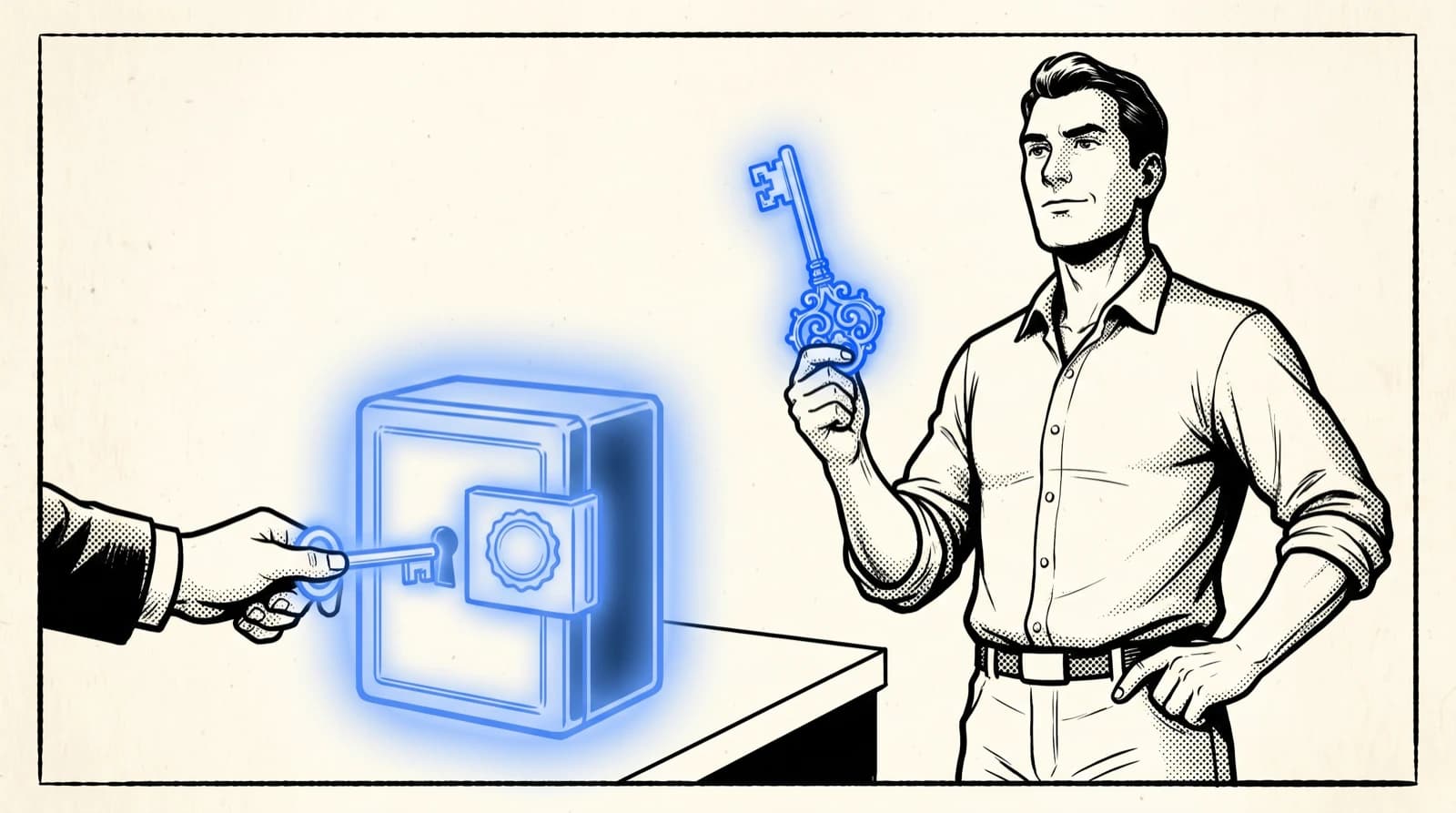 03
03Your keys, simply
In Label 309 you hold one secret — a 32-byte master seed — and every key you use is worked out from it. One signs your work; the others let people send you sealed files only you can open.
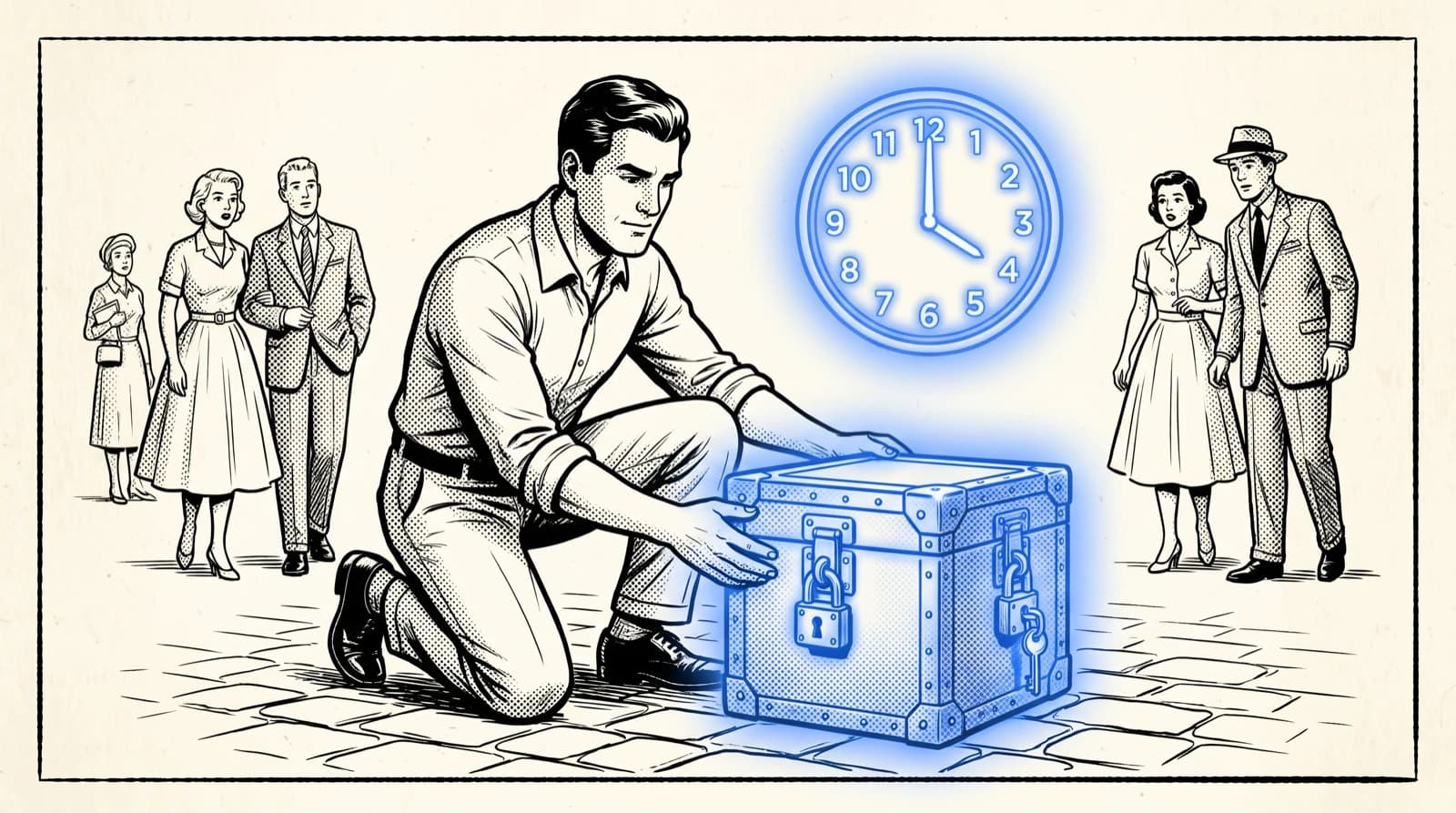 04
04Sealing a file "until claimed"
How Label 309 lets you post an encrypted file in the open — stamped with a public Cardano timestamp — so only the people you chose can ever open it, and only by trying their own key.
 05
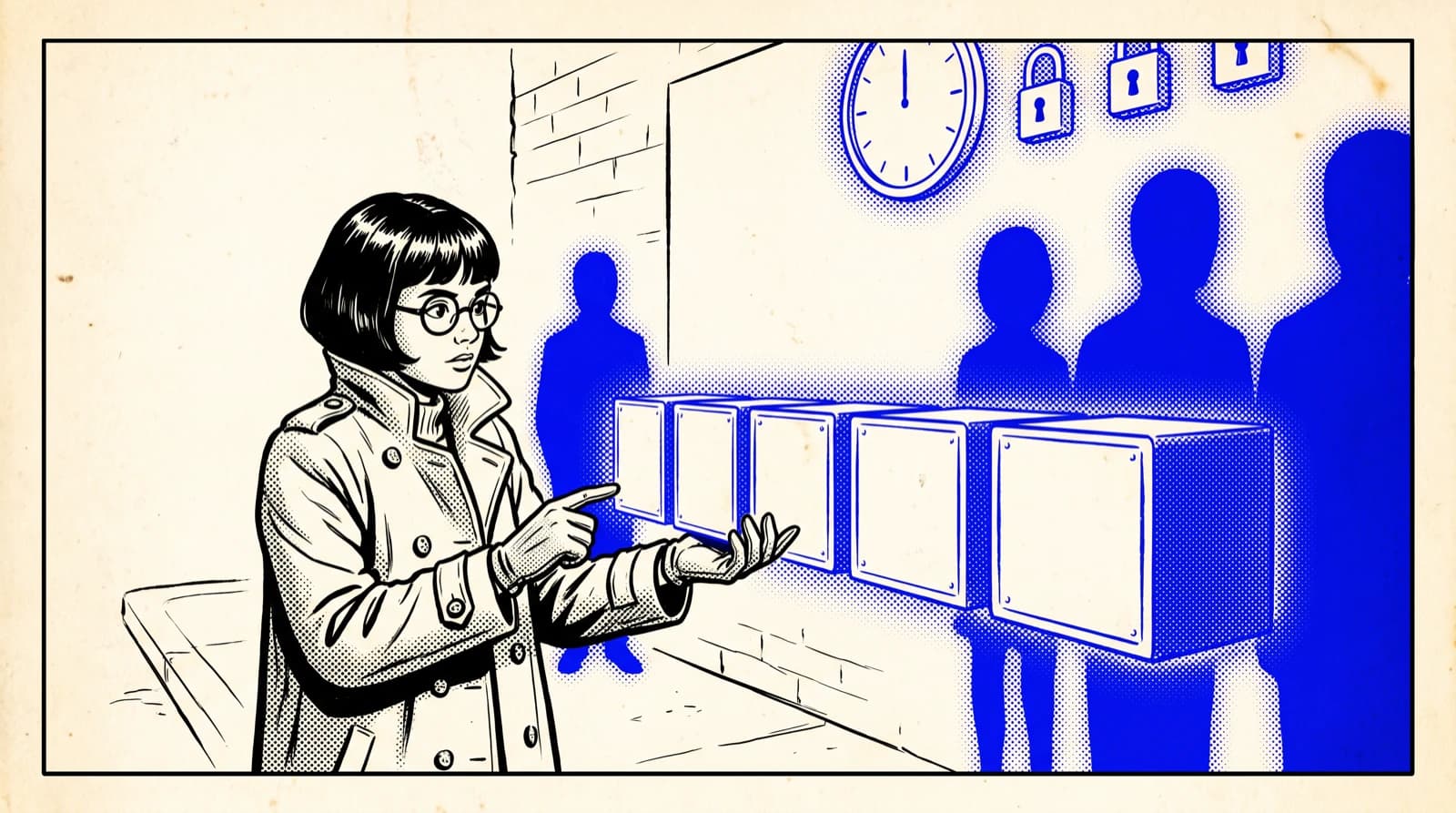
05Who can read it, and what stays private
When you seal content for a chosen few with Label 309, what can a stranger watching the Cardano chain actually see? An honest, plain-language tour of what stays hidden — and the one small thing that leaks.
 06
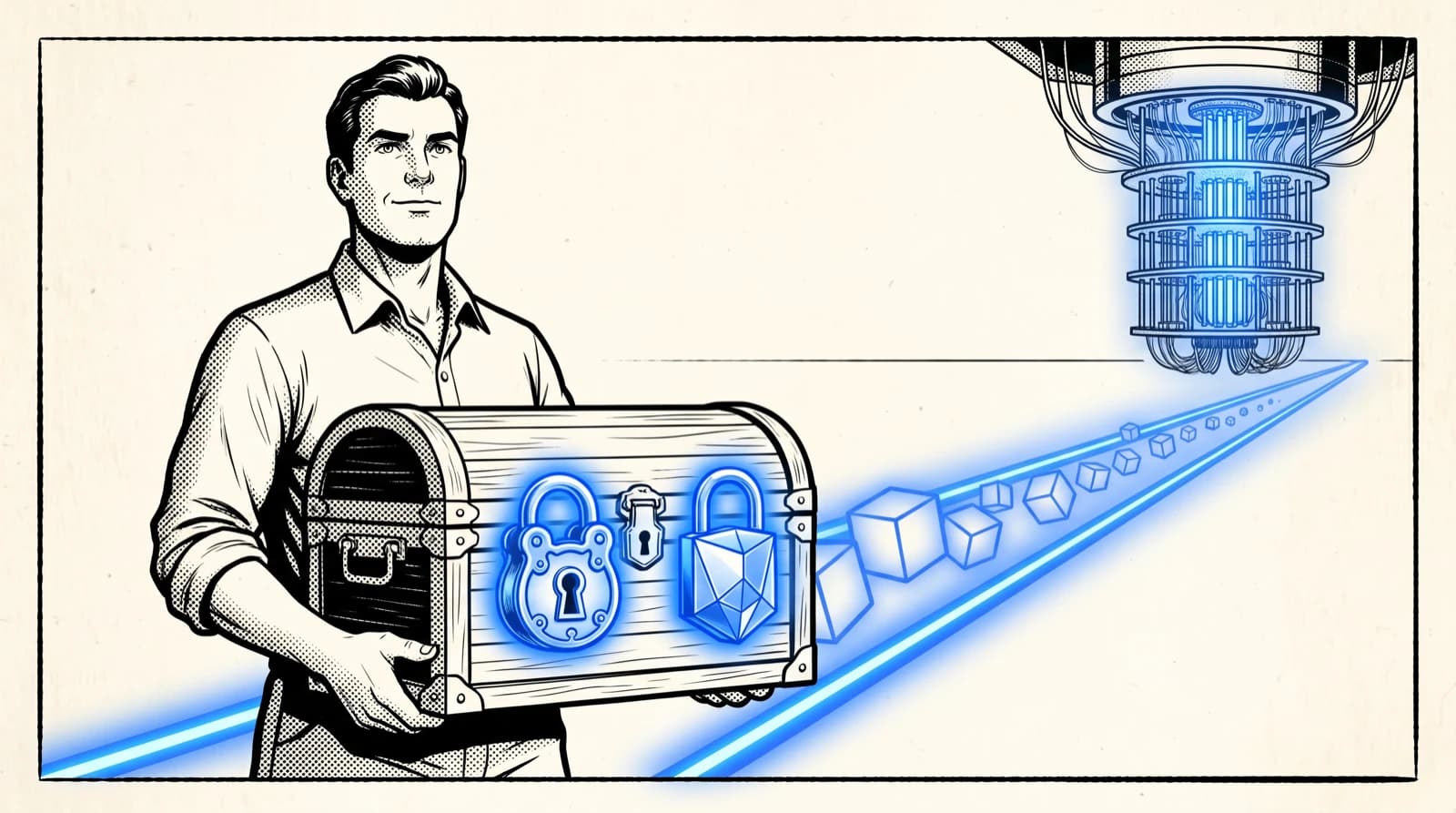
06Future-proof against quantum computers
Why Label 309 locks every sealed file with two independent methods at once — a proven one and a post-quantum one — so it stays private for years even if one of them is broken later.
 07
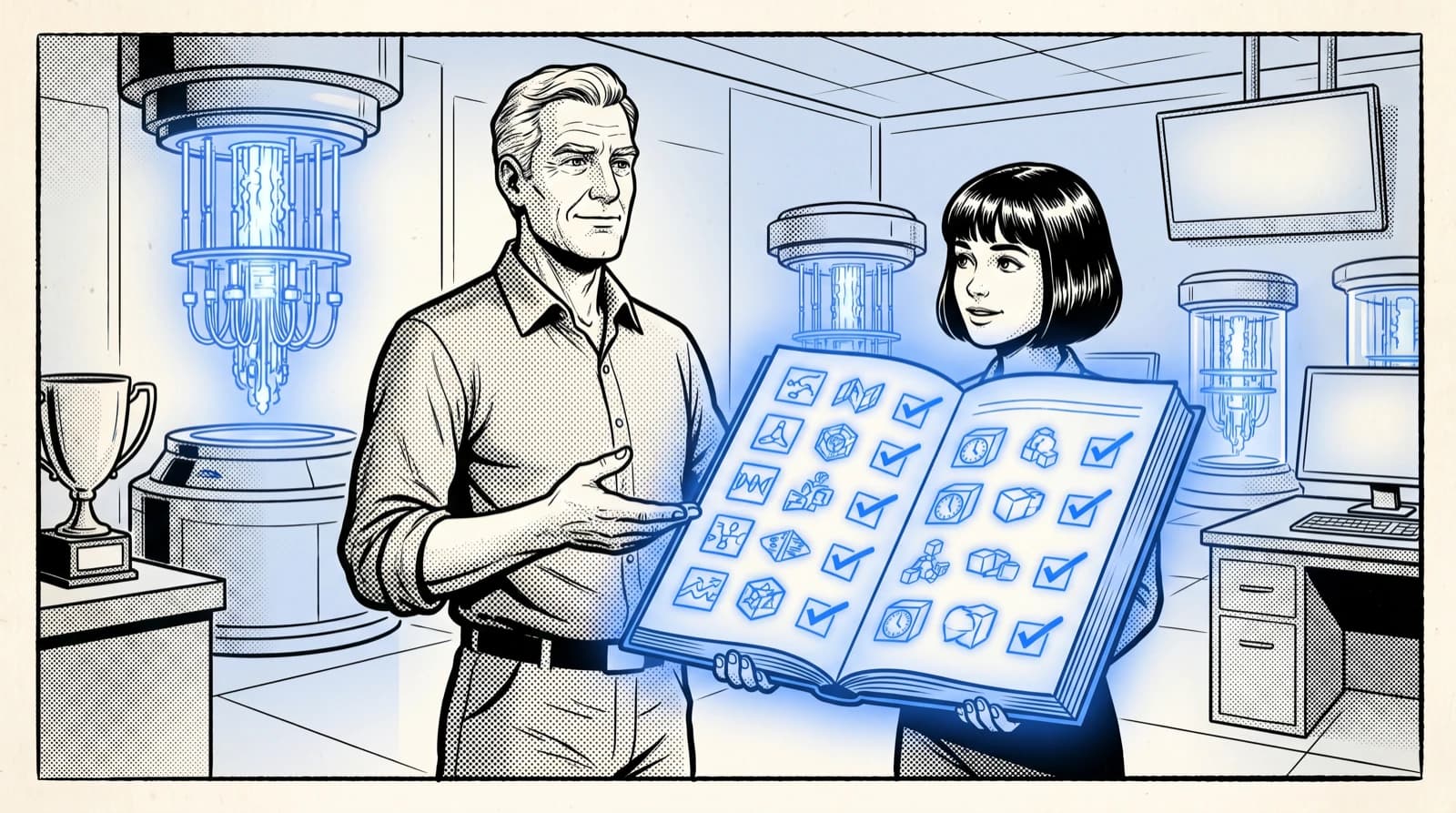
07Why the standard lasts
Cryptography keeps moving, so Label 309 never pins itself to one method. It names every method from an open registry — and when a better one arrives, you simply add an entry. Old proofs keep verifying forever.